
What is Dyslexia?
Dyslexia is a specific learning disability that is neurobiological in origin. It is characterized by persistent difficulty with accurate and/or fluent word recognition, poor decoding (sounding out words), and poor spelling — despite adequate intelligence, appropriate teaching, and typical vision and hearing (American Psychiatric Association, DSM-5-TR, 2022; Peterson and Pennington, Lancet, 2012).
At its core, dyslexia is a language-based disorder. The primary underlying difficulty involves phonological processing — the ability to notice, think about, and manipulate the individual sounds (phonemes) in spoken words. When this sound-processing system is weak, it is hard to connect letters to sounds and to build the automatic, fluent reading that most readers eventually take for granted (Peterson and Pennington, Lancet, 2012).
Dyslexia is common, affecting an estimated 7% or more of school-age children, and it exists on a spectrum from mild to severe (Carroll et al., Journal of Child Psychology and Psychiatry, 2025). It frequently co-occurs with other conditions such as ADHD, developmental language disorder, and dyscalculia. Importantly, dyslexia is lifelong, but with the right instruction, individuals can become skilled, confident readers.
Red Flags for Dyslexia
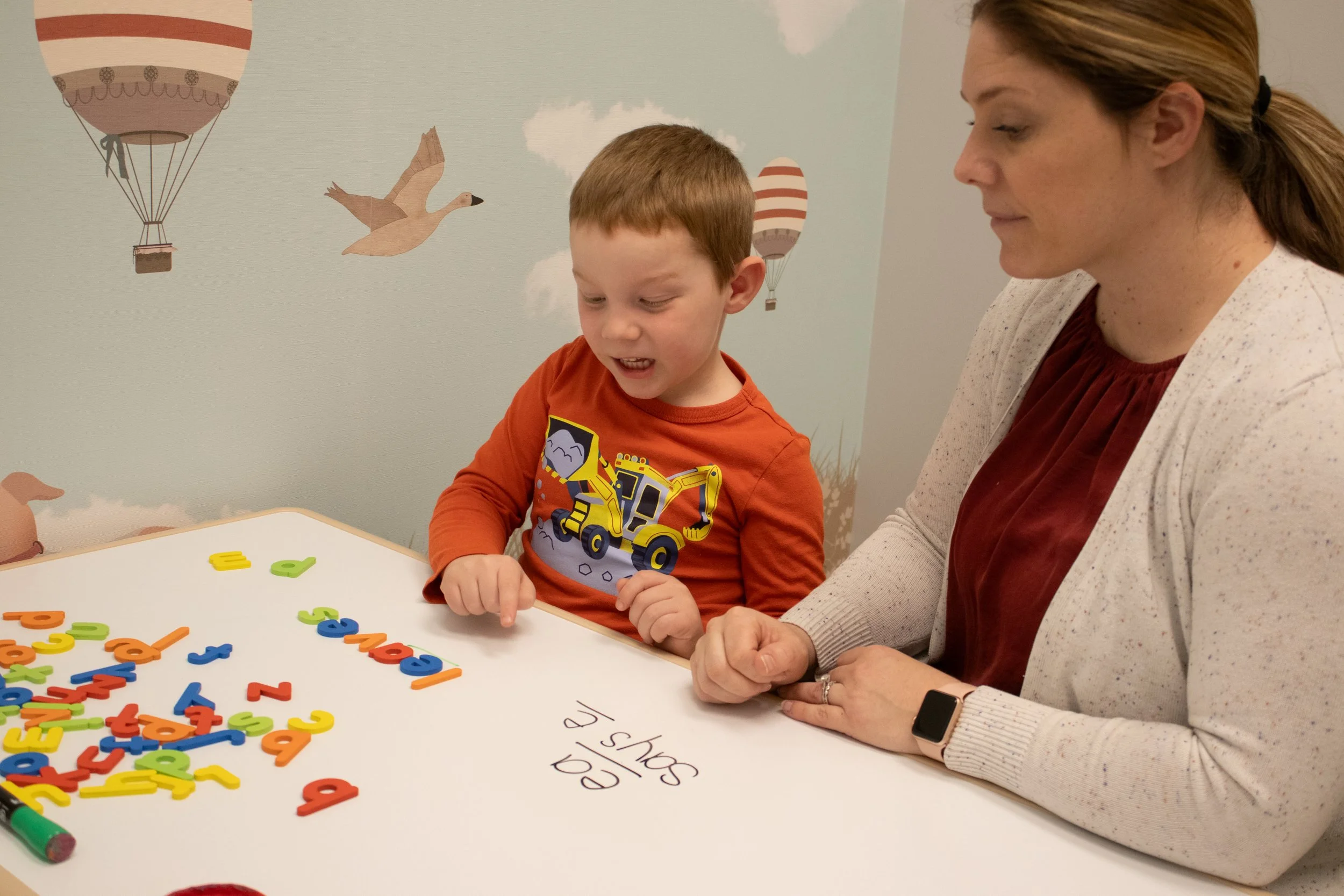
Warning signs can appear before formal schooling begins and evolve with age. No single sign is diagnostic, but clusters of these difficulties warrant evaluation.
Preschool / before kindergarten:
Delayed speech or late talking
Trouble learning and remembering the names and sounds of letters
Difficulty recognizing or producing rhyming words
Trouble repeating nonsense/made-up words
Family history of reading or spelling difficulty (a strong risk factor)
Early elementary (kindergarten–2nd grade):
Difficulty matching letters to their sounds (letter-sound correspondence)
Slow, effortful sounding out of words
Guessing at words based on the first letter or a picture
Trouble with rhyming and breaking words into sounds (phonemic awareness)
Slow rapid naming of familiar objects, colors, letters, or numbers
Spelling that does not match the sounds in words
Older children, teens, and adults:
Slow, laborious reading and avoidance of reading aloud
Persistent spelling difficulties
Trouble with reading fluency and, as a result, comprehension
Difficulty learning a foreign language
Reading well below what would be expected given ability and effort
How is Dyslexia treated?
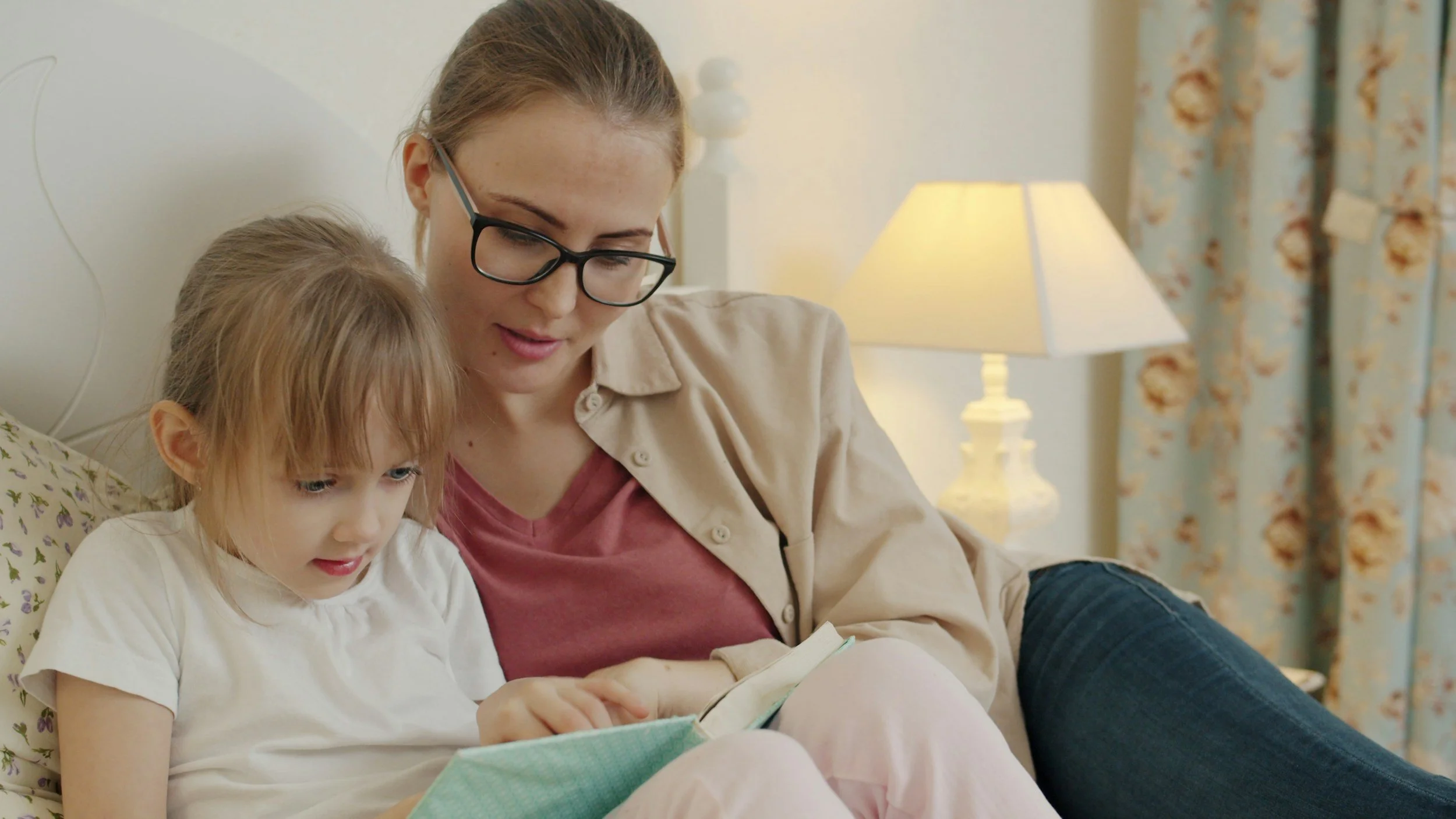
The strongest evidence supports structured, explicit, systematic instruction in the building blocks of reading. Effective programs directly teach (Peterson and Pennington, Lancet, 2012):
Phonological and phonemic awareness – hearing and manipulating sounds in words
Phonics and the alphabetic principle – linking letters to sounds
Word analysis and decoding
Reading fluency – accurate, smooth, appropriately paced reading
Reading comprehension strategies
Spelling and written expression
Key principles of effective treatment:
Earlier is better. Intervention should begin as soon as difficulty is identified — professionals should not wait for repeated failure or a formal diagnosis, because early intervention is more effective than later remediation (Peterson and Pennington, Lancet, 2012).
Intensity matters. Instruction delivered one-to-one or in small groups produces the best results.
Multisensory, structured language approaches — which engage sight, sound, and movement together while teaching language in a logical, cumulative sequence — are a well-established, evidence-based framework for literacy intervention (Bowers and Ramsdell, Language, Speech, and Hearing Services in Schools, 2023).
Consistency and practice are essential, and gains are strongest with sustained instruction.

Why a Speech-Language Pathologist Is Well Suited to Treat Dyslexia
Because dyslexia is fundamentally a language-based disorder, speech-language pathologists (SLPs) bring directly relevant expertise. SLPs are specialists in the sound structure of language — including phonological and phonemic awareness, the very skills at the heart of dyslexia — and identification, assessment, prevention, and intervention for reading and written-language disorders fall within the SLP scope of practice (Loveall et al., Language, Speech, and Hearing Services in Schools, 2022).
SLPs are trained to:
Assess the underlying spoken- and written-language skills that support reading
Connect deficits in phonological processing to reading and spelling difficulty
Deliver explicit, structured, multisensory language intervention (Bowers and Ramsdell, Language, Speech, and Hearing Services in Schools, 2023)
Address co-occurring spoken-language, vocabulary, and comprehension needs
Collaborate with teachers, psychologists, and families as part of a team
This combination of deep knowledge of language sound systems and training in evidence-based intervention makes the SLP a natural fit for the evaluation and treatment of dyslexia.

Myths vs. Facts
Myth: Dyslexia is a visual problem — people "see letters backwards."
Fact: Dyslexia is a language-based disorder rooted in phonological processing, not a problem with the eyes or vision. Letter reversals (such as b/d) are common in many young children and are not the defining feature of dyslexia (Peterson and Pennington, Lancet, 2012).
Myth: Dyslexia is a sign of low intelligence.
Fact: Dyslexia occurs across the full range of intelligence and is unrelated to IQ. The old idea that dyslexia requires a gap between IQ and reading has been disproven (Sanfilippo et al., American Academy of Pediatrics, Pediatrics, 2020).
Myth: Children will simply "grow out of it."
Fact: Dyslexia is lifelong. Without targeted instruction, reading difficulties tend to persist — but appropriate intervention leads to meaningful, lasting improvement (Peterson and Pennington, Lancet, 2012).
Myth: You must wait for a child to fall behind before doing anything.
Fact: Early warning signs are visible before school entry, and early screening and intervention improve outcomes (Sanfilippo et al., American Academy of Pediatrics, Pediatrics, 2020).
Myth: More reading exposure alone will fix dyslexia.
Fact: Children with dyslexia need explicit, systematic instruction in sounds, letter-sound links, and decoding — not just more time with books.
This page is for general educational purposes and is not a substitute for individualized evaluation. If you have concerns about dyslexia for yourself or your child, please schedule a consultation.
Contact us
Interested in working together? Fill out some info and we will be in touch shortly. We can’t wait to hear from you!